
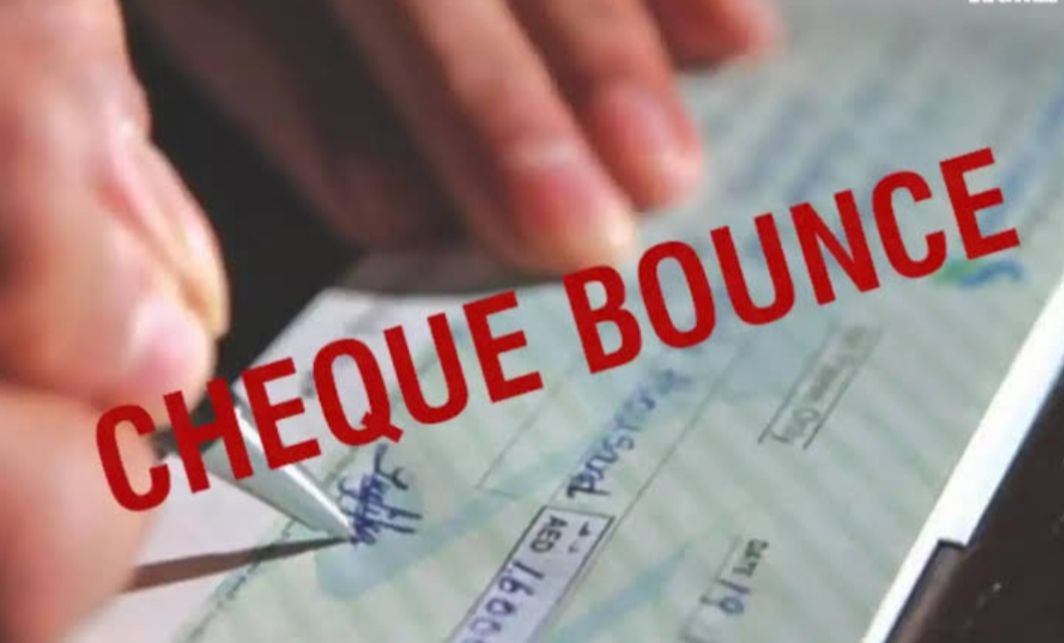
A cheque is a commonly used payment instrument for personal transactions, business dealings, loans, and commercial agreements. However, when a bank returns a cheque unpaid, the recipient may face financial difficulties, delayed payments, and uncertainty about recovering the outstanding amount. Depending on the circumstances, cheque dishonour may also lead to legal proceedings under Indian law.
Cheque Bounce cases are primarily governed by Section 138 of the Negotiable Instruments Act, 1881. This provision addresses the dishonour of cheques issued towards a legally enforceable debt or other liability, subject to specific statutory conditions. The law establishes a procedure through which an eligible cheque recipient may issue a legal demand notice and initiate a complaint if the drawer fails to make payment within the prescribed period. <Cite refs=
Whether you are a business owner seeking to recover an unpaid invoice, an individual trying to recover money lent to another person, or someone who has received a cheque bounce notice, understanding the applicable law and deadlines is essential.
What Is a Cheque Bounce?
A cheque bounce, also known as cheque dishonour, occurs when a bank returns a cheque without making the requested payment.
The reason for dishonour may vary. For example, the account may have insufficient funds, the amount may exceed an authorised overdraft arrangement, or the bank may identify another issue affecting payment.
Not every dishonoured cheque automatically results in criminal liability under Section 138. The statutory requirements must be satisfied, including the requirement that the cheque relates to a legally enforceable debt or other liability.
Common situations involving cheque dishonour include:
- A cheque issued for repayment of a loan is returned unpaid.
- A customer issues a cheque for business goods or services, but payment is not completed.
- A borrower issues a cheque towards an outstanding financial obligation.
- A company issues a cheque to a supplier that is subsequently dishonoured.
- A cheque issued under a settlement or payment arrangement is returned unpaid.
The appropriate legal remedy depends on the reason for dishonour, the underlying transaction, the supporting documents, and the applicable statutory requirements.
Section 138 of the Negotiable Instruments Act, 1881
Section 138 is the principal legal provision dealing with specified cases of cheque dishonour in India.
The provision is intended to address situations where a cheque issued towards a legally enforceable debt or liability is returned unpaid for reasons covered by the statute and the drawer does not make payment despite receiving the prescribed demand notice.
To assess whether Section 138 applies, it is important to examine the cheque, the underlying obligation, the bank’s return memo, the notice, and compliance with the relevant deadlines.
Essential Conditions for a Cheque Bounce Case
Generally, the following conditions must be considered:
- Cheque issued towards a legally enforceable debt or liability: The cheque must relate to a debt or liability recognised as legally enforceable.
- Presentation within validity: The cheque must be presented within its validity period.
- Dishonour by the bank: The bank must return the cheque unpaid for a reason covered by Section 138.
- Written demand notice: The payee or holder in due course must send a written demand notice within 30 days of receiving information from the bank about dishonour.
- Failure to pay: The drawer must fail to pay the demanded cheque amount within 15 days of receiving the notice.
- Timely complaint: If the statutory cause of action arises, the complaint must generally be filed within one month of that date, subject to the court’s power to condone delay where sufficient cause is established.
What Should a Legal Notice for Cheque Bounce Include?
A cheque bounce legal notice is a written demand asking the drawer to pay the amount covered by the dishonoured cheque within the statutory period.
A properly prepared notice generally includes:
- The names and addresses of the sender and recipient.
- The cheque number, date, amount, and relevant bank details.
- The circumstances in which the cheque was issued.
- Details of the underlying debt or liability.
- The date of presentation and dishonour.
- The reason recorded in the bank’s return memo.
- A clear demand for payment of the cheque amount.
- The applicable statutory payment period.
- Relevant supporting information and records.
The notice should accurately describe the transaction and comply with the applicable legal requirements. Sending a demand notice does not, by itself, guarantee recovery of the money or establish criminal liability.
Keeping a copy of the notice and proof of dispatch and delivery is important for documenting compliance with the procedure.
Punishment for Cheque Bounce in India
Section 138 prescribes criminal consequences when the statutory requirements are satisfied and the offence is established.
The punishment may include:
- Imprisonment for a term that may extend to two years.
- A fine that may extend to twice the amount of the cheque.
- Both imprisonment and fine.
The actual outcome depends on the facts, evidence, applicable law, and the court’s decision. The maximum punishment is not automatically imposed in every case. <Cite refs={[“turn851444search24″,”turn851444search6”]}/>
Cheque dishonour proceedings may also involve compensation, settlement discussions, or other legally available remedies. The precise relief depends on the proceedings and the applicable statutory provisions.
Common Reasons for Cheque Dishonour
Understanding why a cheque was returned can help determine the appropriate next step.
Insufficient Funds
The drawer’s account does not contain enough funds to honour the cheque. This is one of the situations expressly addressed by Section 138, subject to its other requirements.
Exceeds Arrangement
The cheque amount exceeds the amount the bank has agreed to honour under an applicable overdraft or similar arrangement.
Signature or Technical Issues
A cheque may be returned because of a signature mismatch, alteration, incomplete information, or another technical issue. The legal consequences depend on the reason for return and the surrounding circumstances.
Account-Related Reasons
A cheque may be returned because of an account-related issue, such as an account being closed or certain restrictions affecting payment. Whether Section 138 applies depends on the relevant legal principles and the facts of the particular case.
Stop-Payment Instructions
A drawer may instruct the bank to stop payment. Such an instruction does not automatically prevent Section 138 proceedings where the statutory requirements are otherwise satisfied.
The bank’s return memo should be reviewed carefully. The reason for dishonour is relevant, but it must be considered alongside the underlying debt, the cheque, and the statutory conditions.
Procedure for Filing a Cheque Bounce Case
The process generally involves several stages.
Step 1: Collect the Cheque and Bank Return Memo
Keep the original cheque, where available, and the bank’s return memo. These documents help establish the cheque details and the reason for dishonour.
Step 2: Review the Underlying Transaction
Collect agreements, invoices, loan records, payment acknowledgements, account statements, and other documents relating to the amount claimed.
This review helps establish the nature of the debt or liability and the circumstances in which the cheque was issued.
Step 3: Send the Statutory Demand Notice
A written demand notice must be issued within the statutory 30-day period after receiving information about dishonour from the bank.
The notice should accurately identify the cheque and demand payment of the cheque amount in accordance with Section 138.
Step 4: Allow the Payment Period to Expire
The drawer must be given 15 days from receipt of the notice to make payment. If payment is made within the statutory period, the requirements for a Section 138 complaint arising from that notice may not be satisfied.
Step 5: File the Complaint Where Legally Appropriate
If the drawer does not pay within the prescribed period, the payee or holder in due course may file a complaint within the applicable limitation period.
The complaint must be filed before the court having jurisdiction under the Act and should be supported by the relevant documents.
Step 6: Court Proceedings
The court may issue process, consider the parties’ submissions, record evidence, and conduct the proceedings according to the applicable procedure.
Depending on the case, the matter may be resolved through a lawful settlement or proceed to a judicial decision.
Documents Required for a Cheque Bounce Case
Preparing the relevant documents can help a lawyer assess the matter efficiently.
Important documents may include:
- Original cheque or other admissible evidence of the cheque.
- Bank return memo.
- Copy of the statutory demand notice.
- Postal receipt, tracking record, or other proof of dispatch and service.
- Loan agreement, invoice, contract, or other evidence of the underlying liability.
- Relevant bank statements and payment records.
- Communications between the parties.
- Identification and address details required for the proceedings.
- Relevant court documents, if a case has already been filed.
The precise documents required depend on the circumstances. Documents should be preserved accurately, and electronic records should be retained in their original form wherever possible.
Legal Defences in Cheque Bounce Cases
A person facing a cheque bounce complaint should obtain legal advice and examine the facts carefully. The defence available depends on the allegations, evidence, and applicable law.
Potential issues may include:
Whether a Legally Enforceable Debt Existed
Section 138 requires a legally enforceable debt or other liability. The transaction and supporting records may therefore be important to the case.
Whether the Statutory Procedure Was Followed
The cheque’s validity, notice deadline, payment period, complaint limitation, and jurisdiction may require examination.
Whether the Cheque Was Issued for the Alleged Transaction
The purpose for which the cheque was issued and the relationship between the cheque and the claimed liability may be relevant, depending on the evidence.
Examination of Supporting Evidence
The authenticity and relevance of agreements, payment records, communications, and other documents may need to be assessed.
Section 139 of the Negotiable Instruments Act establishes a presumption in favour of the holder in the circumstances covered by the provision. The presumption is rebuttable in accordance with law, so the evidence and applicable legal principles must be considered. <Cite refs={[“turn851444search24″,”turn851444search2”]}/>
A defence should be based on genuine factual and legal grounds rather than assumptions. No particular argument guarantees a favourable outcome.
Cheque Bounce Cases Involving Companies and Businesses
Cheque dishonour disputes frequently arise in commercial transactions involving suppliers, distributors, contractors, service providers, and other businesses.
When a cheque is issued on behalf of a company, Section 141 of the Negotiable Instruments Act may become relevant. It addresses offences by companies and the circumstances in which certain persons responsible for the conduct of the company’s business, or whose consent, connivance, or neglect is legally relevant, may face proceedings.
A person’s designation alone does not automatically establish liability. The statutory requirements and allegations against each individual must be examined.
Businesses should maintain accurate invoices, agreements, payment records, authorisation documents, and correspondence. These records can help clarify the transaction and support an appropriate legal response if a dispute arises.
Can a Cheque Bounce Case Be Settled?
Yes. Section 147 of the Negotiable Instruments Act provides that offences under the Act are compoundable, subject to applicable legal requirements and court procedure.
The parties may explore settlement through payment of the outstanding amount or another mutually agreed arrangement. Any settlement should be documented clearly, including the payment terms and the steps required to resolve the proceedings.
Settlement may help avoid further litigation, but the parties should understand its legal consequences before agreeing to terms. A lawyer can help ensure that the arrangement is properly recorded and that the necessary court procedures are followed.
Why Hire a Cheque Bounce Lawyer?
Cheque bounce cases involve statutory deadlines, documentary requirements, procedural rules, and legal questions concerning the underlying liability. Professional legal assistance can help clients understand the process and avoid preventable mistakes.
A lawyer may assist with:
- Reviewing the cheque and bank return memo.
- Assessing the underlying debt or liability.
- Drafting and issuing the statutory demand notice.
- Calculating relevant legal deadlines.
- Preparing and filing a complaint where appropriate.
- Responding to a cheque bounce notice or complaint.
- Assessing available legal defences.
- Advising on settlement and payment arrangements.
- Representing clients in court proceedings, where authorised.
The appropriate legal strategy depends on whether the client is seeking payment, responding to a complaint, or exploring settlement.
Frequently Asked Questions About Cheque Bounce
What is Section 138 of the Negotiable Instruments Act?
Section 138 addresses specified cases in which a cheque issued towards a legally enforceable debt or liability is dishonoured and the drawer fails to pay within 15 days of receiving a compliant statutory demand notice, subject to the other legal requirements.
How many days are allowed to send a cheque bounce notice?
The written demand notice must generally be issued within 30 days of receiving information from the bank about the cheque’s dishonour.
How much time does the drawer get to make payment after receiving notice?
The drawer has 15 days from receipt of the statutory notice to make payment of the cheque amount.
What is the maximum punishment for cheque bounce in India?
Under Section 138, the punishment may extend to two years’ imprisonment, a fine of up to twice the cheque amount, or both, subject to the court’s decision.
Can a cheque bounce case be filed for a business transaction?
Yes. A cheque issued towards a legally enforceable business liability may fall within Section 138 if the statutory requirements are met. Additional considerations may arise where the cheque is issued by a company.
Can I file a cheque bounce case if the cheque was issued for a loan?
A cheque issued towards repayment of a legally enforceable loan may qualify for proceedings under Section 138, subject to the facts, evidence, and statutory conditions.
Can a cheque bounce case be settled outside court?
The parties may explore settlement, and offences under the Negotiable Instruments Act are compoundable subject to applicable legal procedures. Any settlement should be properly documented and the necessary court steps completed.
What should I do if I receive a cheque bounce legal notice?
Review the notice promptly, collect the relevant cheque and transaction records, and consult a qualified lawyer. Do not ignore the notice, and obtain advice about the allegations, applicable deadlines, and appropriate response.
Get Professional Legal Assistance for Cheque Bounce Matters
A cheque bounce dispute can affect personal finances, business relationships, and the recovery of outstanding payments. Understanding the applicable law and complying with the statutory procedure are important steps in protecting your legal interests.
Whether you need to recover money through a cheque bounce complaint, respond to a legal notice, assess a defence, or explore a settlement, professional legal guidance can help clarify the available options and the next steps.
Contact our legal team to discuss your cheque dishonour matter, review the relevant documents, and understand the remedies available under Indian law.